A hot tub purchase looks simple on the surface. You point at a sparkling shell under nice lighting, someone says things about jets and pumps, and then a crane drops joy into your backyard. Reality is a bit trickier. Water chemistry, insulation, power supply, warranties, and service all matter more than the brochure suggests. The showroom is where you separate marketing from mechanics, and etiquette plays a bigger role than you might think. Good manners get you better answers, more honest guidance, and often a better deal. If you have searched “Hot tubs store near me” or you’re sifting through options like Winnipeg Hot Tubs and other regional dealers, bring a plan, a towel if you intend to wet test, and a few targeted questions that expose the truth inside the shell.
Before you step into the showroom
I learned this the hard way, years back, when I walked into a boutique spa dealer with exactly two facts: I wanted to “relax,” and I had “a deck.” The salesperson smiled, nodded, and showed me a six-seat behemoth that weighed nearly a ton filled and needed structural reinforcement I didn’t have. We both wasted an afternoon. The prep you do at home can save hours and help you walk out with a tub that fits your yard, your habits, and your budget.
Measure the space as if you were moving a piano through it. The tub’s path matters as much as the pad. Note gate widths, tight corners, overhead lines, and the slope to your final location. Most 6 to 7 foot spas need at least 38 to 41 inches of clearance, sometimes more with packaging and dollies. If you plan to crane it over a house, that’s a different conversation and a different line on your invoice.
Power is the other fork in the road. Plug-and-play 110 to 120 volt models are easy to install, usually capped at 15 amps, sometimes 20, and tend to run the heater and pumps in a tradeoff. They keep monthly costs predictable, but they will not deliver the same hydrotherapy as a 240 volt spa with a dedicated 40 to 60 amp GFCI breaker. If you have the option, get an electrician’s quote before you shop. A Winnipeg homeowner I worked with recently found that the wire run from panel to pad would add 1,100 to 1,600 dollars to the project, depending on conduit path. That is real money, and it may change the tier of spa you consider.
Finally, think about how many people will actually sit in the tub, not the number you say for holiday parties. A “seven seater” reads well until you realize that seven adults rarely soak together on a Tuesday. Most families are three to four in practice. Smaller shells warm quicker, lose less heat to air, and cost less to fill and balance. If you entertain big groups twice a year, consider whether a smart seating layout with a captain’s chair and a cool-down bench solves the other 363 days better than a “stadium seating” monster.
How to behave in a hot tub showroom
Etiquette is not about being quiet or deferring to the expert. It is about getting the expert to share what matters. You want a salesperson who shifts from script to candor. I watch for two signals in the first five minutes: do they ask detailed questions about your site and habits, and can they explain trade-offs without trashing competitors? If the answer to either is no, your defenses go up and the conversation gets shallow.
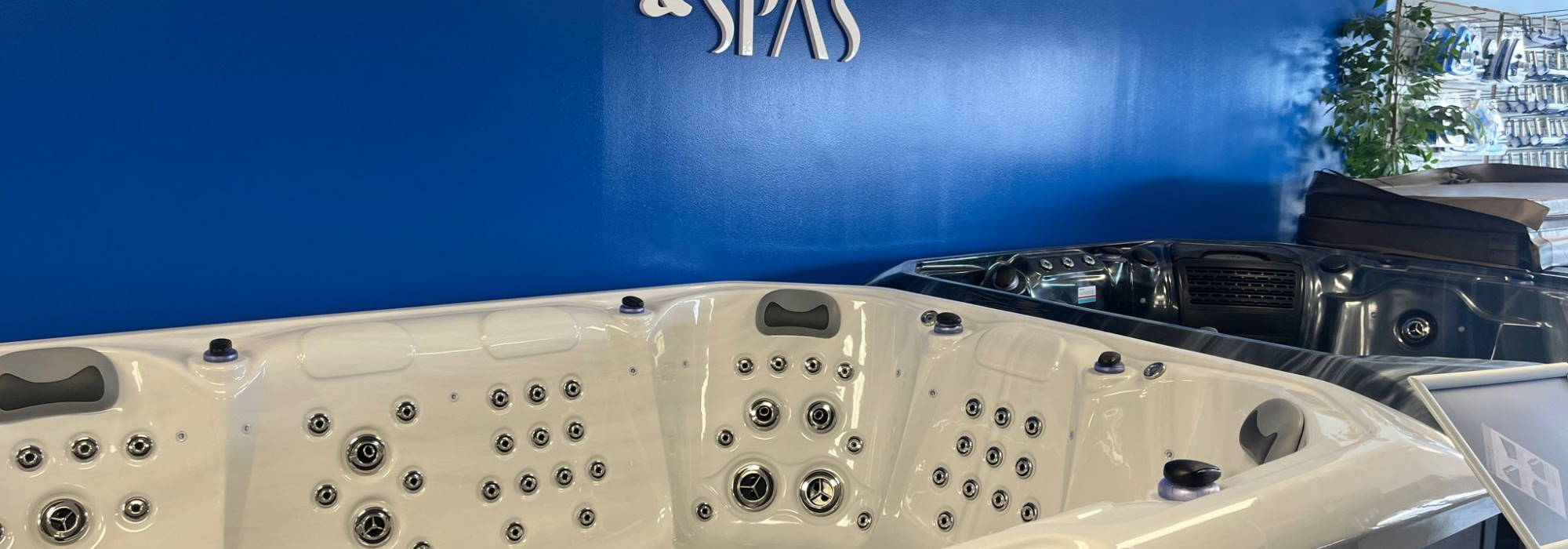
Respect the water and the floor. Most showrooms keep one or two models wet for testing, sometimes more on weekends. If you want to try them, call ahead and bring swimwear, not gym shorts that carry detergent residue. Rinse off. Do not slather on lotion. Salespeople appreciate customers who treat their wet room like a pool, not a hotel spa, and they reward it with extra time and clearer answers.
Take pictures, but ask first. Some manufacturers frown on photos of internal components. Others are proud of their plumbing. If you are shopping multiple dealers, those close-ups become your memory. It is easy to forget which tub had the full-foam insulation and which had removable side panels with spray foam tucked in the corners. You will thank yourself when comparing “Hot tubs for sale” listings later.
Bring your budget, but keep it as a range, not a line in the sand. The price conversation is not just numbers, it is spec management. If you say “eight grand, hard stop,” you may never see the model that fits you at nine and saves you two grand in power and repair over ten years. On the other hand, a salesperson who refuses to discuss ballpark pricing before “talking to the manager” is telling you how this relationship will feel when you need service. Walk accordingly.
The art of the wet test
A dry fit tells you almost nothing about hydrotherapy. Seats that feel fine on the showroom floor become float traps under jets. That lounge that looks like a chaise can turn into a slip-n-slide for anyone under six feet tall. If a dealer will not allow a wet test, that is not a dealbreaker in winter or in a small store, but it does shift weight onto brand reputation and return policies.
When you test, use the whole panel. Cycle through pumps at low and high speeds, open and close diverter valves, and adjust air intakes. Weak jets often come from poorly balanced flow, not bad pumps. If changing the diverter makes one corner scream while another goes limp, you know this spa prioritizes one or two seats at a time. That can be fine for a couple, less fine for a family of four who prefer simultaneous massage.
Temperature tells another story. A good spa holds set temp under load. If they will let you, soak for at least 15 to 20 minutes. Watch the display. If the temperature drops from 103 to 100 with two pumps going, then creeps back slowly, you know the heater and flow rate are just adequate, not generous. This shows up on cold nights, especially in Manitoba winters where a backyard can sit at minus 20 C with wind. Winnipeg Hot Tubs dealers usually know this, and the better ones will talk insulation strategy without flinching.
Questions that separate marketing from mechanics
You will get better results if you treat questions like a zipper: one tooth about the feature, the next about the consequence. The point is not to trip anyone, it is to see whether the spa’s design choices fit your priorities.
- What is the insulation method, and how is it serviceable? Some tubs use full-foam between the shell and cabinet. It is quiet and efficient, and it supports plumbing lines, but repairs require digging through foam. Others use perimeter insulation, sometimes with reflective barriers, leaving a warm air cavity inside the cabinet. Easier to service, often louder, and efficiency depends on cabinet sealing. Ask the dealer to show a cross-section if they have it, and ask for winter electric usage ranges from actual customers in your climate. What is the heater kilowatt rating, and how does it interact with pump operation? A common 240 volt heater is 4 to 5.5 kW. With 120 volt spas, heaters are typically 1 to 1.5 kW and may cut out when pumps run high. If your nightly soak is 30 minutes with vigorous jets in January, a small heater means you will feel temp drift. The right answer is not “It stays hot,” it is “It is a 5.5 kW heater that runs concurrent with Pump 1, and here is how it performs at 10 below.” Are the jets interchangeable, and how are they secured? Snap-in jets are easy to swap but can pop out with age. Threaded jets hold better but are fussier. Also count the meaningful jets, not the micro-nozzles. A tub with 32 well-placed jets can outperform a tub with 60 air-peppered ports. Ask for the pump horsepower, then for the amperage draw and water flow per minute. Marketing horsepower is just that, marketing. Flow rate tells the real story. What is the shell made of, and how is it supported? Acrylic over ABS backed with fiberglass is common. Look at the lip and understructure. If you can, tap the shell for thickness variations. A good shell has consistent rigidity. Ask about the frame material: wood is fine when sealed and well-designed, composite resists rot, steel has strength but needs anti-corrosion. Corners and base pan design matter, especially if meltwater and gravel live under your deck half the spring. How does the filtration cycle run by default, and can you program it? Some spas run two 2-hour cycles by default. Others allow granular scheduling. In cold regions, longer low-speed filtration can double as gentle heating, smoothing temperature swings. If you travel, a programmable schedule matters more than you think. Ask how many square feet of filtration media you get, not just the number of filters. Square footage determines how long you go between cleanings.
That is one list. Keep it handy. It can keep you from buying a tub that looks gorgeous at 70 degrees inside a showroom and turns into a power-hungry diva in February.
The real cost, not just the sticker
The price tag is a starting point. Add delivery, electrical, base prep, cover lifter, steps, water care kit, and possibly a crane. In most cities, a flatbed and two to four handlers get a spa from truck to pad for 300 to 600 dollars. Crane fees vary wildly: 500 for a simple street lift, 1,500 to 2,500 for complicated lifts over a house with traffic control. Some dealers bake this into the price if you are within a radius. If you are shopping “Hot tubs for sale” online, make sure the total landed cost is apples to apples.
Monthly operating costs are a range, not a rule. Insulation, ambient temperature, setpoint, soak frequency, and wind exposure all play a role. In a sheltered yard with a three-sided privacy wall, a well-insulated 300 to 400 gallon spa might average 25 to 45 dollars per month in milder shoulder seasons, rising to 50 to 80 in a true winter climate when used daily at 102 to 104. In Winnipeg’s cold snaps, some owners see triple digits for a week or two if they soak nightly with the cover open for long sessions. Tilt the odds in your favor with a tight-fitting cover, good cover lifter that keeps it off the ground, and windbreaks. Even a lattice screen makes a difference.

Water care costs more than test strips. Chlorine or bromine tabs, shock, pH increaser and decreaser, calcium hardness adjuster if needed, and filter cleaner add up to maybe 10 to 25 dollars per month on average. Ozone or UV systems reduce sanitizer consumption but do not eliminate it. Saltwater systems exist in the spa world, but they are not the same as pool salt. They produce chlorine on site, which is convenient, and the water feels softer, but the cells are consumables and must be replaced every few years. I like salt for people sensitive to chemicals, but it is not magic. It still needs balance. The right dealer will load your first six months of products and teach you how to use them without the upsell parade.
Warranty promises and how to test them
The best warranties are easy to read and easier to claim. Shell structure warranties often run 5 to 10 years, sometimes longer. Surface warranties are shorter, often 3 to 5 years. Plumbing and equipment usually sit in the 2 to 5 year range. These numbers only matter if the dealer picks up the phone during year four. Ask the service manager how many techs they employ and whether they service tubs they did not sell. Dealers that refuse outside service often do it to keep bandwidth for their customers, which is fine, but it also means they have steady demand. That is a green flag.
I also ask to see a sample service invoice for a common out-of-warranty fix, say a circulation pump replacement. The parts cost and labor hours tell you what life after warranty looks like. A reputable store will show you and explain failure rates honestly. No brand is failure-free. What matters is how quickly you get back to hot water on a cold night.
The politics of brands and dealers
When you search “Hot tubs store near me,” you are really choosing between manufacturer philosophies and dealer cultures. Some brands sell primarily through premium showrooms with white-glove service and curated models. Others push volume with warehouse clubs or seasonal events. You can get a good tub either way, but the experience differs.
A smaller regional dealer, like many that market under banners such as Winnipeg Hot Tubs, lives and dies by word of mouth. They often know installation quirks in older neighborhoods, can recommend electricians who actually show up, and understand how local power rates and winters hit your bill. On the flip side, their inventory depth may be thinner. If you want a specific color and cabinet combo, be ready to wait for the next shipment. Big-box options offer fast availability and attractive prices, but you may have a phone tree for service and a third-party tech who knows your spa only by general model, not by serial-number history.
Another consideration is parts continuity. Some flash-in-the-pan brands appear with loaded features at low prices, then vanish. Ask which components are industry standard and which are proprietary. A spa with Balboa or Gecko controls can often be serviced by many techs. A niche control pack, unavailable after three years, turns an otherwise fine tub into a garden planter when it fails.
The wet truth about covers, lifters, and steps
The cover is not a fashion accessory. It is a thermal and safety device that handles hundreds of open-close cycles yearly. A cheap cover sags, absorbs water, and eventually weighs 60 pounds. That kills usage. If you hate opening your spa, you will climb into it less. I prefer 4 to 2 inch tapered foam with a dense core and marine-grade vinyl, a full heat shield across the hinge, and reinforced handles. Ask the R-value if they have it, though be wary of inflated claims.
A good lifter saves backs and cover corners. Side-mount lifters keep the cover high, which can block wind and add privacy. Rear-mount lifters need more clearance behind the tub but open wider. Hydraulic assists feel luxurious and keep spouses happy. Try them on the floor model. If it takes a tug-of-war to open, keep looking.

Steps need grip and width. Wet feet, dark nights, maybe a glass of pinot, and you want your footing sure and simple. I like composite steps that match the cabinet, with adjustable feet to fix a slight patio slope. If you have kids, add a lock to the cover straps and mount the locks where you will actually use them, not in the back corner no one can reach without stepping into landscaping.
Delivery day, the part no one glamorizes
I have watched a delivery team guide a spa between house and fence with less than an inch to spare on either side. The difference between smooth and sweaty is a site walk done by a pro, not a salesperson who eyeballs the door and says “Looks fine.” Push for a pre-delivery inspection. If the path is hairy, a reputable dealer will say so and plan accordingly. Sometimes this means a temporary fence panel removal or a neighbor’s gate permission. No one wants that surprise at 8 am with a truck idling.
Base prep matters as much as delivery. Concrete pad, patio pavers set on compacted base, or a modular spa pad can all work. What does not work is soft ground, rotting deck boards, or a platform out of level by more than a quarter inch across the footprint. A hot tub shell twists only once, then never quite untwists. That squeak you hear after a week can be the shell fighting the base. If you are placing on a deck, get a structural opinion. The filled weight of a medium spa can hit 3,500 to 5,000 pounds. That is not a weekend guess.
Water chemistry without the mysticism
You do not need a lab coat to keep water clear. You need consistent habits and a short list of truths. Fresh fill water has its own personality. Some cities feed you hard water with high calcium. Others give you soft water that scours your heater if left unbalanced. Bring a sample to the store before your first fill. A good dealer will test it and show you how to set alkalinity and pH first, then sanitizer. If they leap straight to “Buy this bucket,” find another counter.
My start-up routine is dull but works. Fill through the filter well if the manual recommends it, burping air from lines. Heat to 90s while you balance. Set total alkalinity in the 80 to 120 ppm range, depending on the sanitizer system. Adjust pH to 7.4 to 7.6. If you use chlorine, introduce it gently and let the level settle to 2 to 3 ppm for regular soaking. Shock weekly or after heavy use. Rinse filters monthly, deep clean every few months, and replace annually or as needed. Drain and refill every 3 to 4 months for traditional systems, 4 to 6 if you are meticulous and use supplemental oxidation like ozone or UV. None of this is glamorous. All of it is cheaper than fixing gunked-up lines or itchy skin.
Negotiating without turning it into a cage match
Most dealers have wiggle room on accessories, delivery, water care starter kits, and sometimes the cover lifter. The spa itself, especially in supply-constrained seasons, has less margin than people think. If you want to negotiate, do it humanly. Share the other quote you have, explain why you prefer their service, and ask where they can help you feel good about choosing them. I have seen buyers get an extra year of labor warranty or 500 dollars off installation simply by being clear and polite. Showrooms are staffed by people who like helping friendly customers. Rudeness hardens prices faster than epoxy.
If you are comparing two close models, ask for a quiet moment to sit in each. Sales floors can be noisy. Swim and Spas The difference between “almost fits” and “perfect fit” is sometimes a ridge in the lounge or a cool-down seat’s angle. Your back will tell you. Trust it.
Red flags you can spot from the doorway
A tidy showroom tells a story. Floors wiped dry around wet tubs, clear chemical labeling, and visible parts inventory all signal care. If every cover looks tired and the water smells like a hotel pool after spring break, that is not a crime, but it is a hint. I once visited a dealer with a showroom spa stuck at 95 degrees while the panel read 102. When I asked, the salesperson shrugged and said, “They all do that.” They do not. I left.
Paperwork matters. Ask for the written warranty, delivery terms, and return or exchange policy before you commit. If answers change when printed, so will promises later. Also check the business license name. The name on your receipt is the entity that will honor your warranty. If the salesperson says they are “restructuring,” be cautious. A store closing sale can be a bargain, but service after the sale might be non-existent.
A regional note for cold-climate shoppers
If you live where the snow stays, design for it. A windbreak is not décor, it is energy management. Place the tub so the prevailing wind hits the cover hinge, not the open shell. Consider a simple pergola or roof if heavy snow is routine. Keep a path you can shovel in boots, with traction. Cold snaps teach you the value of simple habits: preheating a towel in the dryer, slippers in a bin by the back door, a hook for robes away from steam. Small decisions keep you soaking when winter tries to talk you out of it.
Dealers who have sold in your climate for years can save you money and grief. If you are browsing Winnipeg Hot Tubs and similar local shops, ask what models they recommend to ice fishers and hockey parents. Those folks know warmth. They will steer you to shells that hold temp, covers that seal, and steps that do not turn into rink hazards.
A short checklist to take with you
- Space and access: width, height, corners, overhead lines, and base plan. Power plan: 120 vs 240 volts, breaker size, electrician quote, panel capacity. Wet test priorities: seat fit, jet power distribution, temperature stability under load. Insulation and service: method, R-values if available, how techs access plumbing, real-world winter bills. Warranty and service depth: years by component, number of in-house techs, parts availability, sample service invoice.
Keep the tone friendly. You are not interrogating anyone. You are building the kind of conversation that ends with a delivery day you remember for the right reasons.
The last mile: fit, not flash
There is a moment after the installers leave when the water’s almost hot and the cover lifter arc feels like a small miracle. The right tub fits into your life with less drama than the brochure promised, not more. It warms quickly, stays warm, and needs fewer “Sorry, we need to reschedule” service calls. You get there by respecting the showroom as a workshop, not a theater. Ask about insulation and flow instead of just colors. Watch how the staff treats you when you ask for details. If they lean in with clear answers and site-specific advice, you have likely found your dealer. If they dodge, keep walking. There are plenty of “Hot tubs for sale,” but only a handful that will feel like a personal retreat six winters from now.
When you search “Hot tubs store near me,” you are not just hunting for inventory. You are looking for a partner who will deliver a thousand small comforts over a decade: hot water waiting when your back aches, jets that hit the right spots, a cover that lifts with one hand on a sleeting Tuesday. Ask the right questions. Mind your manners. The rest falls into place.